Nvidia’s Vera chip is the US$200 billion bet Jensen Huang doesn’t want you to overlook
admin
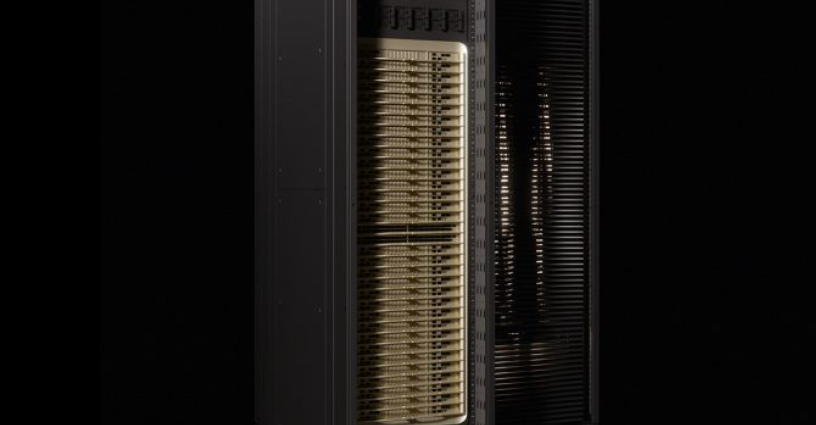
The Nvidia Vera chip is rarely the headline when earnings beat estimates, but it should be. When Nvidia reported Q1 revenue of US$81.62 billion on Wednesday, beating analyst estimates of US$78.86 billion, and guided Q2 at US$91 billion–well above Wall Street’s US$86.84 billion forecast–the numbers did what Nvidia numbers always do: dominate the room.
But buried in CEO Jensen Huang’s conference call with analysts was something more strategically interesting than another quarterly beat. Huang told analysts that Nvidia’s new Vera central processors unlock access to a US$200 billion market, one that sits entirely outside the US$1 trillion the company has already forecast from its Blackwell and Rubin AI GPU lineup between 2025 and 2027.
He expects Vera chip revenue to hit US$20 billion by the end of this fiscal year. “I expect (Vera) to be the second largest” sales contributor, Huang said during the call.
That’s not a footnote. That’s a second front.
The Vera chip and the inference pivot
The reason Nvidia needs a second front is straightforward: its biggest customers are building their own. Google, Amazon, and Microsoft–collectively expected to pour more than US$700 billion into AI infrastructure this year, up sharply from around US$400 billion in 2025, are simultaneously pouring funds into custom silicon to run AI models. Intel and AMD are also touting CPUs as a credible play for inference workloads.
The narrative in the chip industry has shifted from who can train the biggest model to who can serve it cheapest and fastest. Inference is where Nvidia’s GPU dominance is most exposed. Training large models is still firmly Nvidia territory, but inference, generating answers at scale, in real time, is increasingly where custom chips from Google’s TPU line, Amazon’s Trainium and others are making their case.
Nvidia’s answer is Vera. The chip, developed in part using technology from Groq, a startup specialising in inference that Nvidia licensed in a deal reportedly worth around US$17 billion, targets exactly this workload. The full Vera Rubin platform, which combines the Vera CPU with Rubin GPUs, is set to launch later this year.